
What Can Affect Car Recovery Cost When Your Vehicle Breaks Down?
A vehicle breakdown can happen at almost any time. You may be travelling to work, returning home, making a longer journey or simply driving around Sunderland when a mechanical or electrical problem suddenly prevents you from continuing. Once you have dealt with your immediate safety, one of the next questions is often how to get the vehicle to a suitable garage or another appropriate destination.
The car recovery cost can vary according to the circumstances of the breakdown and the work required to transport the vehicle. Distance, vehicle size, condition, accessibility and destination can all make a difference. This is why two motorists with apparently similar breakdowns may receive different quotations for transporting their vehicles.
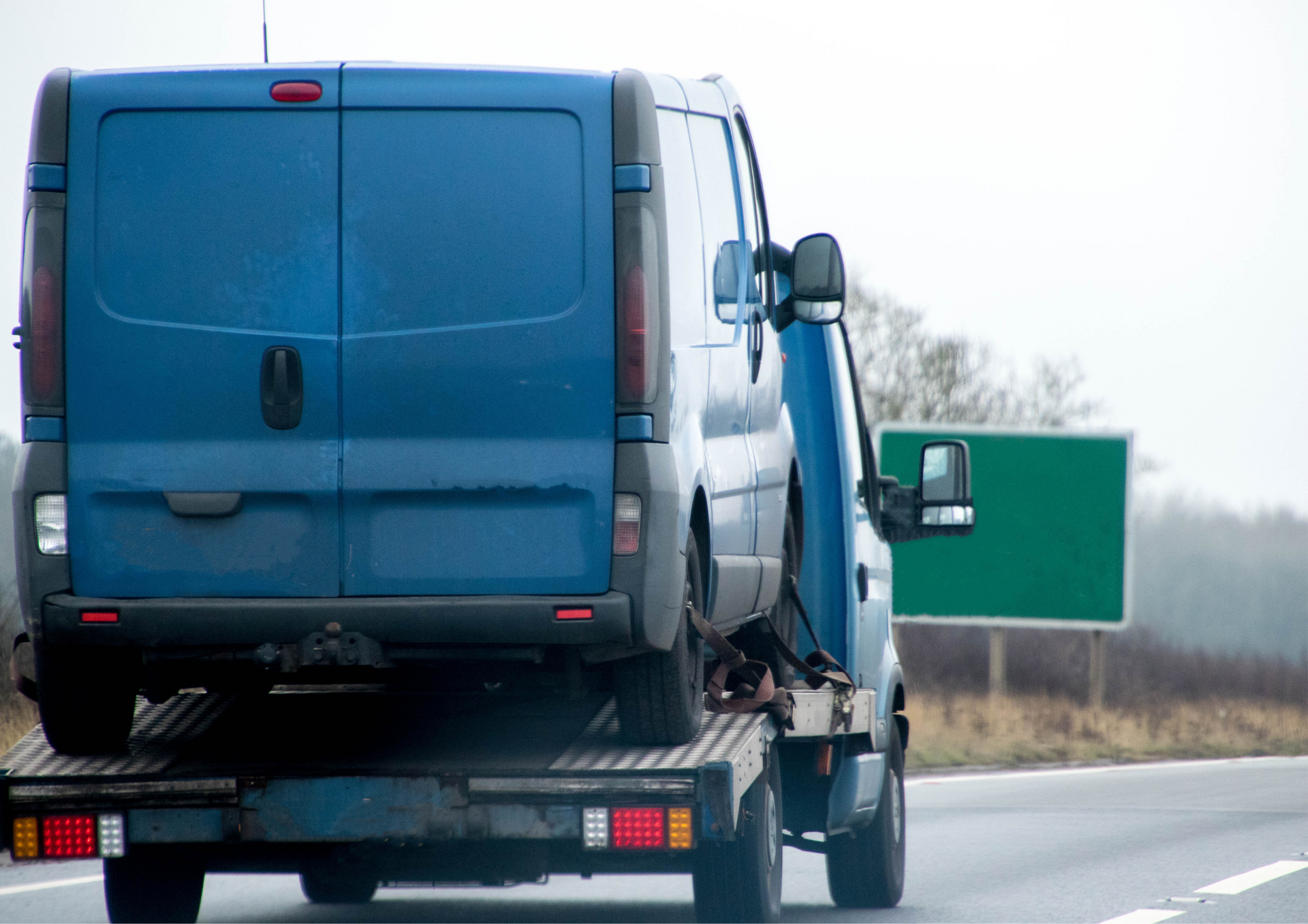
Professional vehicle recovery focuses on collecting, loading, securing and transporting an undriveable vehicle. It does not involve repairing mechanical faults at the roadside, providing fuel delivery or helping with vehicle lockouts. If specialist attention is needed, the vehicle can instead be transported to an appropriate garage or another suitable destination chosen by the customer.
How Distance and Destination Can Influence the Amount You Pay
Distance is one of the most straightforward factors involved in transporting a broken-down vehicle. A vehicle that needs to travel a short distance to a nearby garage presents a different journey from one that needs to be transported to another town or a specialist repair facility considerably further away.
The starting point matters as well. When requesting a quotation, give the provider an accurate collection location rather than only saying that you are somewhere in Sunderland. A postcode, road name, nearby landmark or other useful detail can help establish where the vehicle is located. If it is inside a car park, behind a gate or somewhere with restricted access, that information should also be provided.
The destination is equally important. Some drivers may want their vehicle taken to their usual local garage, while others may require a specialist elsewhere in the North East. A motorist travelling away from home may even want the vehicle transported over a considerably longer distance. Providing the complete destination allows the required journey to be considered from the outset.
When motorists compare car recovery prices, it is therefore useful to check whether they are comparing transportation over a similar distance. A quotation for moving a vehicle several miles should not automatically be expected to match one involving a much longer journey. Asking how distance is taken into account can give you a clearer understanding of what you are being quoted for.
Drivers should also consider whether their preferred destination can receive the vehicle. If you want it delivered directly to a repair garage, it can be helpful to confirm that the garage is expecting it and that there is somewhere suitable for the vehicle to be left. This is particularly relevant when a breakdown happens late in the day or outside the destination's normal opening hours.
A longer journey may also require more planning than a short local collection. The operator needs to transport the vehicle securely for the entire route, and the customer should make sure the destination details are correct before departure. Changing the destination after transportation has begun can unnecessarily complicate the arrangement.
Sunderland motorists may sometimes need their vehicle moved locally, while in other situations the chosen garage could be elsewhere in Tyne and Wear or further afield. Similar circumstances occur throughout the country. The key is to provide both ends of the journey accurately so the provider understands the transportation requirement before collection.
Vehicle Condition and Collection Circumstances That Affect Pricing
The second major influence on car recovery cost is the condition and position of the vehicle. A car that has stopped because of an engine or electrical problem but still rolls and steers normally can present different loading requirements from a vehicle with damaged suspension, locked wheels or steering problems.
Giving a clear description of the vehicle and its condition allows suitable arrangements to be considered before the operator arrives. Several practical factors can affect the work involved:
- Vehicle condition: A vehicle does not necessarily need to be visibly damaged to be difficult to transport. Mechanical, electrical or drivetrain problems may prevent normal movement. Tell the provider whether the vehicle starts and whether it can move, roll and steer normally.
- Vehicle size and type: A small hatchback, large estate car and commercial van do not necessarily have identical transportation requirements. Providing the make and model helps the operator understand what needs to be collected and select suitable equipment.
- Wheel and suspension problems: A wheel that will not rotate normally or damaged suspension can make loading more complicated. If you are aware of this type of problem, mention it when requesting collection rather than waiting until the operator arrives.
- Steering difficulties: If the steering has become locked, damaged or unusually difficult to operate, this can affect how the vehicle is positioned for loading. Accurate information allows the operator to take this into account beforehand.
- Collection position: A vehicle parked normally in an accessible location can be easier to approach than one stopped at an awkward angle or in a confined space. Explain how and where the vehicle is positioned as clearly as possible.
- Restricted access: Multi-storey car parks, narrow entrances, height restrictions, gates and other physical obstacles can affect which equipment can reach the vehicle. These details are important even if they do not appear directly related to the breakdown itself.
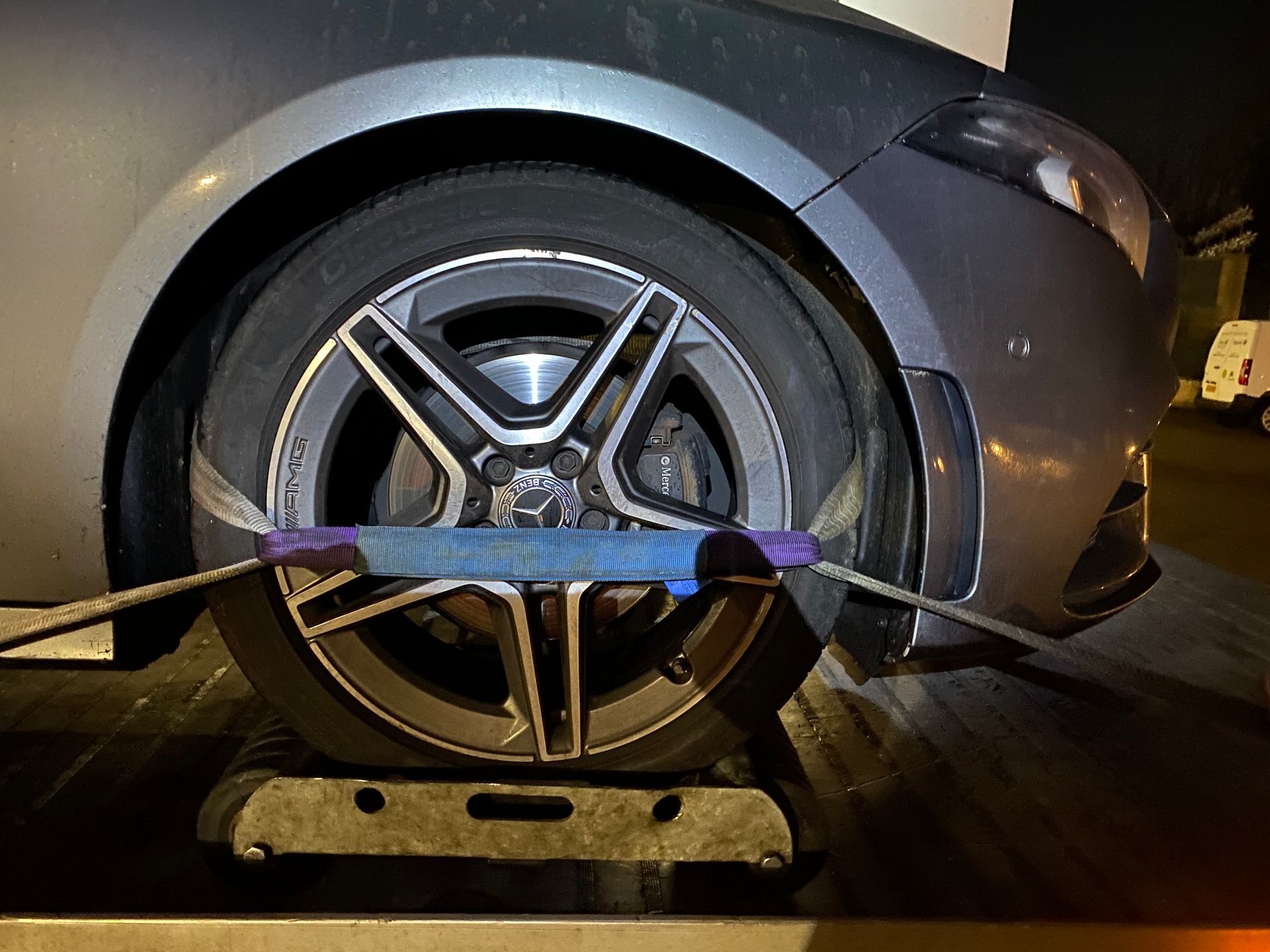
- Loading requirements: The method used to load a vehicle depends partly on its condition. Suitable handling is important because forcing a vehicle to move in a way its damaged or faulty components cannot accommodate could cause further problems.
- Accurate vehicle information: Provide the make, model and registration along with a description of any known fault. If you are unsure what has failed, simply describe what happened and how the vehicle behaves rather than attempting to diagnose the problem yourself.
- Safe access to the vehicle: The surrounding road conditions and the position of the vehicle can affect how collection is approached. The operator needs enough room and suitable access to carry out the work safely.
These considerations apply whether a breakdown happens in Sunderland or elsewhere in the UK. Two identical models can require different handling if one can roll freely while the other has a damaged wheel or steering problem..
Why Timing, Location and Vehicle Type Can Make a Difference
The circumstances surrounding a breakdown can be just as important as the mechanical problem itself. A car that becomes undriveable on an accessible residential street during the day can present a different collection situation from one that stops in a restricted location late at night.
Sunderland includes residential neighbourhoods, commercial areas, busy urban roads and routes linking the city with surrounding parts of the North East. Vehicle collection in these different environments can involve varying access considerations. A provider needs to know exactly where the vehicle has stopped rather than simply knowing the general area.
When looking at vehicle recovery prices, motorists should therefore consider whether the quotations relate to comparable situations. The type of vehicle, distance, accessibility and condition can all influence the work involved. A quotation for collecting a standard car from an open and accessible location may not reflect what is required to move a larger or immobilised vehicle from a restricted site.
Time can also be relevant because breakdowns do not occur only during conventional working hours. A vehicle may stop early in the morning, in the evening or overnight. Customers should explain when they require collection and ask whether timing has any effect on the amount quoted.
The position of the vehicle also matters. A vehicle at the roadside could be on a quiet local street, a busy urban route or somewhere with limited space for loading. Giving precise information allows the provider to understand the circumstances and prepare for collection rather than relying on assumptions.
Vehicle type can make another difference. Cars and vans vary considerably in dimensions and weight, so the equipment appropriate for one vehicle may not be right for another. This is why giving the correct make and model when requesting transportation is important.
Motorists should also mention modifications or unusual characteristics that could affect loading. A particularly low vehicle, for example, may require additional consideration when it is being positioned for transportation. The same applies to a vehicle with known damage or components that prevent normal movement.
Location details should be as specific as possible. A postcode can help, but additional instructions may be valuable if the vehicle is inside a large commercial site, private development or car park. Mentioning entrance restrictions or other access issues in advance can prevent avoidable difficulties.
The underlying principle is straightforward: the more accurately the breakdown situation is described, the easier it is to understand what transportation will involve. This applies to motorists in Sunderland just as it does to drivers elsewhere in the UK.
What to Check Before Accepting a Recovery Quote
Before agreeing to transportation, motorists should make sure they understand what has been quoted and what information the provider has used to calculate the car recovery cost. A clear conversation at the beginning can reduce uncertainty and ensure that both the customer and provider understand what is required.
Use the following points as a practical checklist:
- Confirm what the service includes: Establish whether the quotation covers collection, loading, transportation and unloading at the agreed destination. Knowing the scope of the service makes the quoted amount easier to understand.
- Give the correct vehicle details: Provide the make, model and registration. If the vehicle is a van or another larger vehicle, make this clear when first making contact.
- Describe its condition accurately: Explain whether the vehicle starts, rolls and steers. If you know that a wheel, suspension component or another part has been damaged, mention it.
- Provide the exact location: Give the postcode, road name or another accurate reference point. Additional directions may be useful if the vehicle is difficult to find.
- Explain access restrictions: Mention height barriers, narrow entrances, gates, underground parking or other conditions that could restrict access to the vehicle.
- Confirm the destination: Give the complete address of the garage or other suitable location where you want the vehicle transported.
- Consider the journey distance: Check that the quotation is based on the correct destination, particularly if you need the vehicle transported outside Sunderland or over a longer distance.
- Ask about known complications: If the vehicle cannot roll or steer, make sure the provider understands this before arriving. This allows suitable loading arrangements to be considered.
- Check whether circumstances could change the quote: Ask whether any known factor could result in a different amount. This helps establish expectations before the vehicle is moved.
Understanding car recovery charges means looking beyond a single figure and checking what the quotation actually covers. Clear information about the vehicle, its condition, collection location and destination helps both parties understand the required work before transportation begins.
Taking a few minutes to check these details can make the process much more straightforward. A breakdown is already disruptive, and uncertainty about the transportation arrangements can add unnecessary difficulty. Clear communication helps ensure the vehicle is collected with the appropriate equipment and taken to the correct destination.
Several practical factors can influence what motorists pay to have an undriveable vehicle transported. Journey distance, vehicle size, condition, accessibility, timing and the chosen destination can all affect what is required to complete the collection safely.
Providing accurate information is one of the most useful things a driver can do when requesting a quotation. Give the vehicle make and model, describe its condition, provide the exact collection location and confirm where it needs to go. Any access restrictions or mobility problems should also be mentioned from the beginning.
Car Recovery Sunderland offers motorists a straightforward way to arrange professional transportation when a vehicle becomes undriveable in Sunderland and surrounding areas. Clear communication helps establish the vehicle's condition, collection point and destination so suitable arrangements can be made.
We also aim to make the transportation process clear from the beginning, helping customers understand the factors that may influence the roadside recovery cost, including the journey required, vehicle condition and collection circumstances. Providing accurate details allows the necessary arrangements to be considered before the vehicle is moved.
Careful loading, secure transportation and practical communication are important when moving a vehicle that cannot safely continue its journey. Whether the required destination is a local repair garage or another suitable location selected by the customer, the focus remains on transporting the vehicle appropriately rather than attempting roadside repairs.
Check out our latest X update exploring what can affect
car recovery cost when your vehicle breaks down.
You might also like