
Car Recovery Service Options for Broken Down and Non-Running Cars
A vehicle that suddenly stops running can leave a driver in a difficult position, whether the problem happens at home, at work, in a public car park or during a journey. Some faults provide warning signs before a vehicle stops, while others occur with little notice. When a car cannot be driven safely, arranging a professional car recovery service provides a practical way to have it collected and transported to an appropriate destination.
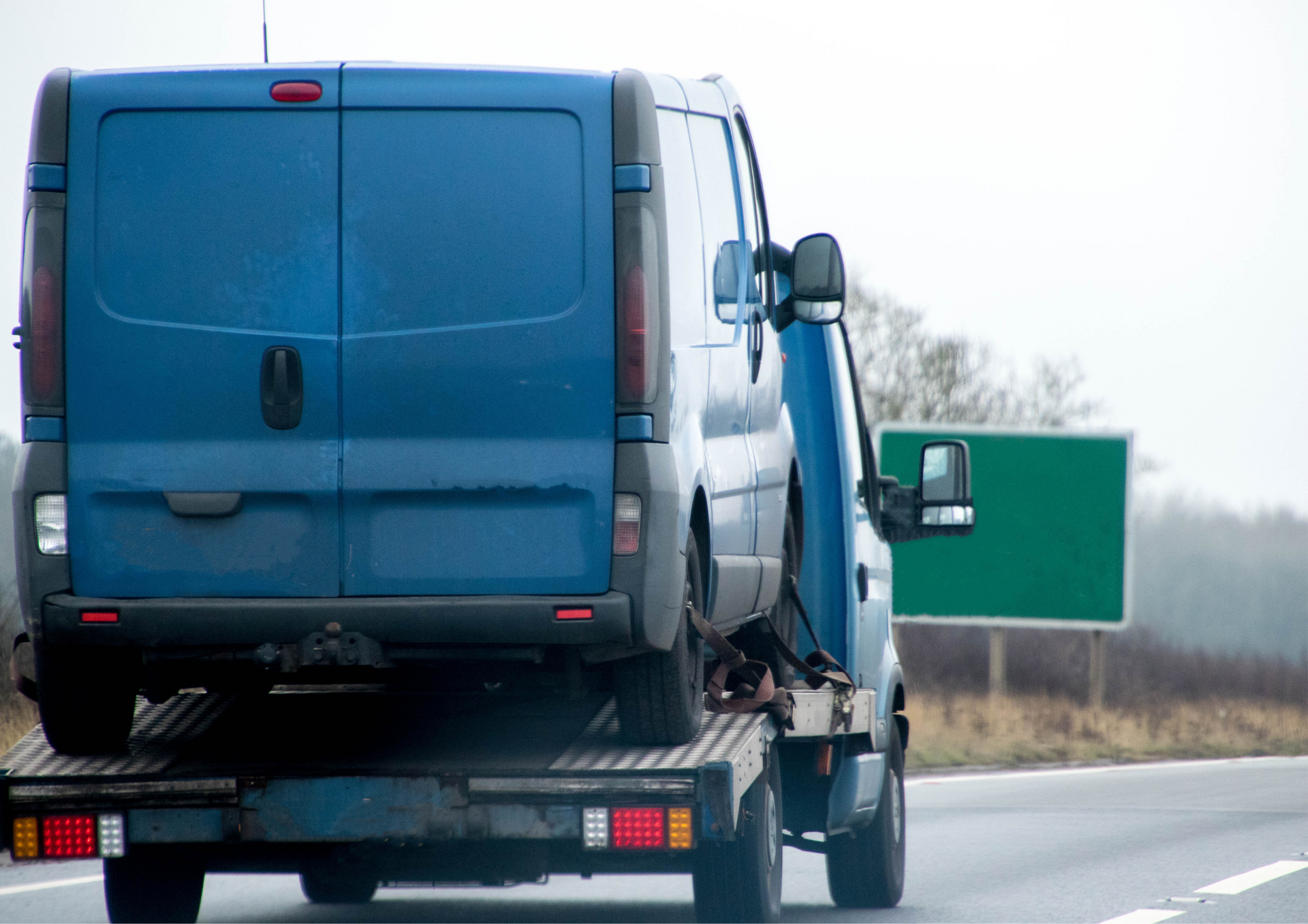
The purpose of professional drivers is to move an undriveable vehicle rather than repair it at the roadside. A suitable vehicle can collect the car and transport it to a garage, workshop, storage location or another destination requested by the customer. This can be particularly useful when mechanical, electrical or structural problems make continued driving unsafe.
For drivers in Sunderland, a car recovery service can be useful across residential areas, town-centre locations and surrounding routes when a vehicle is unable to continue its journey. The same principle applies anywhere: if there is uncertainty about whether a vehicle is safe to drive, arranging professional transportation can prevent the motorist from taking unnecessary risks.
When a Broken-Down Car Needs Professional Car Recovery
Not every vehicle problem means that a car can safely be driven to the nearest garage. Warning lights, unusual noises, steering problems, severe vibration, loss of power or visible damage can indicate an issue that requires professional attention. If a vehicle has become difficult to control or important components have been damaged, continuing to drive could make the problem worse.
A car may also become completely non-running because of an electrical or mechanical fault. In these circumstances, attempting repeated starts or trying to move the vehicle without appropriate equipment may not be suitable.
Motorists searching for car recovery near me should consider more than proximity alone. Clear communication, appropriate transportation equipment and careful vehicle handling are important when arranging collection. Drivers should be prepared to explain where the vehicle is located, what type of vehicle it is, whether it can roll or steer and where they would like it transported.
Location also matters when arranging collections. A vehicle on a driveway may present a different challenge from one stopped in a public car park or beside a busy road. Access restrictions, the position of the vehicle and surrounding traffic can all influence how it should be approached and loaded. Giving accurate information when requesting assistance helps the operator prepare appropriately.
In Sunderland, drivers may encounter problems during local journeys as well as when travelling towards surrounding areas. Regardless of where a breakdown happens, personal safety should remain the priority. If a vehicle is in a potentially dangerous position, motorists should follow applicable road-safety guidance and instructions from the relevant authorities or emergency services.
Car Recovery Options for Different Breakdown Situations
Breakdowns and non-running vehicles can arise for many reasons. The appropriate collection method depends on the vehicle's condition, size, location and accessibility. Providing detailed information before assistance arrives makes it easier to determine what equipment may be required.
Breakdown recovery can be appropriate when a fault prevents a vehicle from continuing safely and it needs to be transported elsewhere for professional attention. This is a transportation service rather than an on-site repair service, so motorists should expect the vehicle to be taken to an appropriate garage or another agreed destination when specialist work is required.
Common situations where vehicle transportation may be needed include:
- A vehicle that will not start at home: A car may become non-running while parked on a driveway or outside a property. If it requires professional diagnosis or repair, it can be collected and taken to an appropriate workshop.
- A car that stops during a journey: Mechanical or electrical problems can develop unexpectedly. When continuing to drive is not possible or safe, transportation avoids relying on the affected vehicle to complete the journey.
- Mechanical problems: Engine, transmission, cooling or other significant faults may prevent safe driving. Where the cause cannot be addressed at the location, the vehicle can be moved to a professional who can inspect it.
- Electrical faults: Modern vehicles depend on complex electrical systems. A significant fault can prevent starting or normal operation and may require specialist diagnosis after transportation.
- Wheel, tyre or suspension damage: Serious damage in these areas can affect vehicle stability and control. A car should not be driven when its ability to travel safely is in doubt.
- Vehicles stranded in car parks: Access, height restrictions and available manoeuvring space can affect collection arrangements. Drivers should mention these details when requesting assistance.
- Cars requiring transportation to a chosen garage: A non-running vehicle can be collected specifically for transportation to an appropriate repair professional selected by the owner.
Different circumstances require different approaches. A vehicle that can roll and steer may be easier to position than one with locked wheels, damaged suspension or steering problems. Explaining the condition accurately helps avoid delays and supports safer loading.
Drivers should also provide information about anything unusual that could affect collection. This might include restricted access, an awkward parking position or significant visible damage. The more useful information the operator receives beforehand, the better prepared they can be when they reach the vehicle.
What Happens When a Vehicle Is Collected?
Knowing what to expect can make an unexpected vehicle problem less stressful. Although individual circumstances differ, professional collection generally involves establishing the vehicle's condition, preparing it for loading and securing it before transportation.
When arranging car breakdown recovery, motorists should provide accurate details about the vehicle and its location. Mentioning significant damage, steering problems or wheels that will not turn can be particularly important because these issues may affect the equipment and approach required for loading.
A typical collection may involve:
- Providing vehicle details: The operator may need the make, model and general type of vehicle to prepare suitable transportation arrangements.
- Confirming the exact location: A postcode, road name, nearby landmark or other precise location information can help the operator find the vehicle efficiently.
- Describing its condition: The driver should explain whether the vehicle starts, rolls, steers and brakes, as well as mentioning any obvious damage.
- Checking access: The available space around the vehicle may influence how it can be approached and loaded.
- Preparing for loading: The vehicle must be positioned appropriately before it is placed onto the recovery equipment.
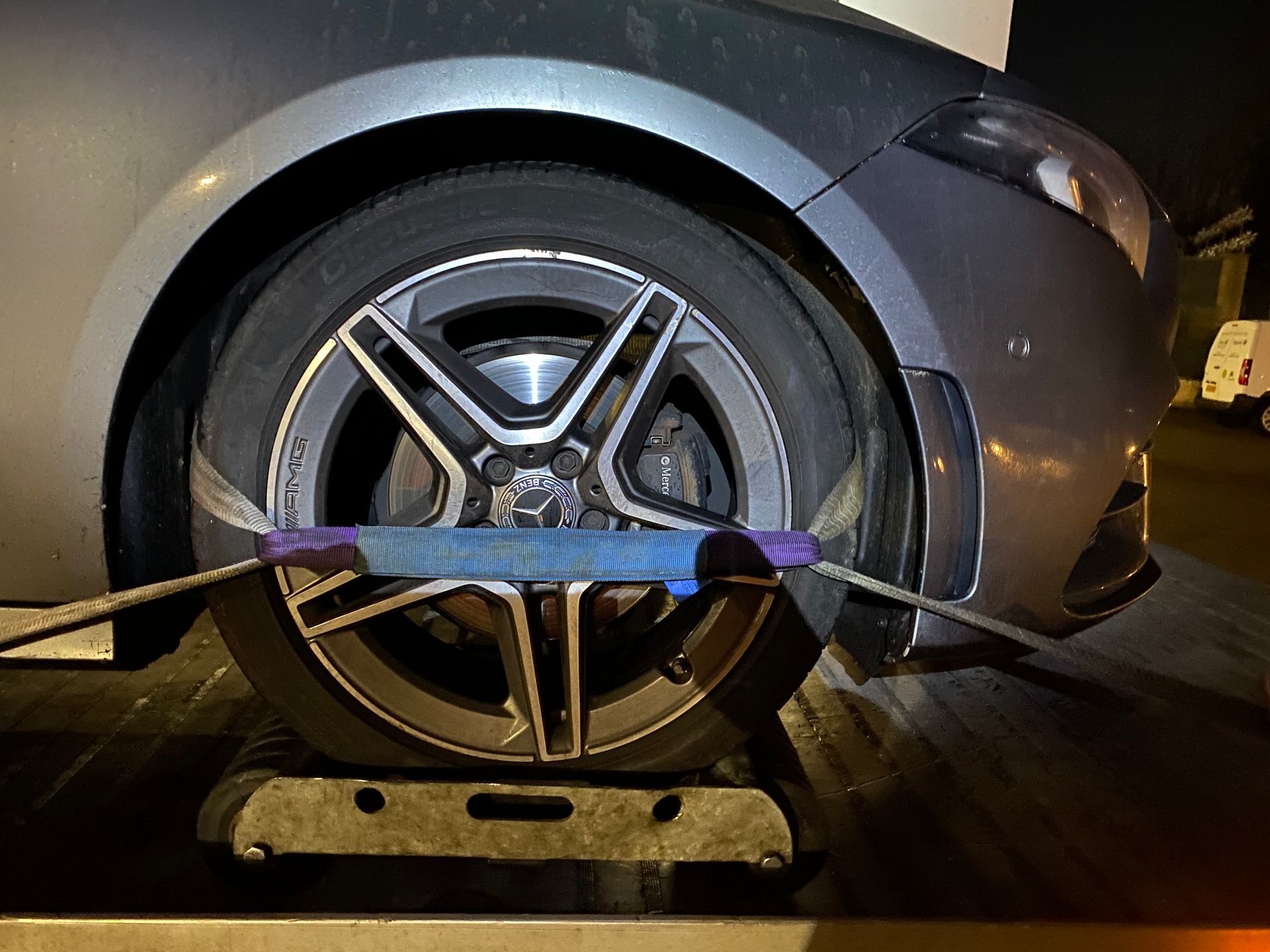
- Securing the vehicle: Once loaded, the vehicle needs to be properly secured for transportation to reduce unnecessary movement during the journey.
- Confirming the destination: The driver should specify the garage, workshop, storage area or other suitable location where the vehicle needs to be delivered.
- Transporting the vehicle: After the necessary preparations are complete, the car can be taken to the agreed destination.
Careful handling is particularly important when a vehicle is already damaged or has components that are not functioning correctly. Appropriate loading and securing procedures help prevent avoidable movement while the vehicle is transported.
Car recovery service should also not be confused with roadside mechanical assistance. The purpose is to collect and transport an undriveable or unsafe vehicle. On-site repairs, fuel delivery and lockout assistance are not part of this type of service. Where a mechanical problem needs specialist attention, the vehicle can instead be taken to an appropriate professional.
Choosing a Reliable Vehicle Recovery Provider
Selecting a provider involves more than finding someone who can transport a vehicle. Motorists should consider how clearly the provider communicates, whether suitable equipment is available and whether the operator understands the condition of the vehicle before collection.
When considering a car rescue service, drivers should explain exactly what has happened rather than simply saying that the vehicle has stopped. Details about visible damage, warning signs, unusual noises and whether the wheels or steering operate normally can help the provider understand the situation before arriving.
Clear destination arrangements are equally important. Drivers should know where they want the vehicle taken whenever possible. This could be a trusted local garage, specialist workshop, storage location or another suitable destination. Providing the address in advance can make the process more straightforward.
Local knowledge can also be useful. Sunderland includes busy urban roads, residential streets, commercial areas and routes connecting motorists with surrounding parts of the North East. Familiarity with the local area can help with locating vehicles and understanding potential access considerations. These same principles apply elsewhere in the UK: accurate location details and clear communication make arranging transportation easier.
Professional handling should remain a priority throughout the process. A broken-down vehicle may have problems that are not immediately visible, so it should be loaded and transported with appropriate care. Drivers should avoid moving or driving a vehicle simply because the external damage appears minor if there are signs that its mechanical condition or roadworthiness may have been affected.
Before arranging collection, it is helpful to have the vehicle registration, make and model, exact location and intended destination available. Motorists should also mention access restrictions or anything else that could make collection more complicated. Providing these details from the outset can help establish suitable arrangements without unnecessary confusion.
A broken-down or non-running vehicle can interrupt any journey, but safety should take priority over trying to reach a destination at all costs. If a car develops serious mechanical problems, becomes difficult to control or cannot move under its own power, attempting to continue driving may create additional risks or cause further damage.
Professional vehicle transportation provides a practical solution by allowing an undriveable car to be collected, loaded securely and taken to a suitable garage, workshop or another agreed destination. Giving accurate information about the vehicle, its condition and its location helps make the collection process clearer and more efficient.
For motorists in Sunderland and elsewhere, being prepared can make an unexpected breakdown easier to manage. Stay in a safe location where possible, avoid attempting to drive a vehicle whose condition is uncertain, and have the necessary vehicle and destination information ready when arranging transportation.
Car Recovery Sunderland provides a straightforward way to arrange professional collection and transportation for broken-down and non-running vehicles. We focus on careful vehicle handling, clear communication and getting your vehicle to an appropriate garage or another suitable destination of your choice.
Our approach is designed to make an inconvenient situation easier to manage. By providing the vehicle details, collection point and required destination, motorists can arrange suitable transportation without unnecessary complications. Whether a vehicle has stopped at home, during a local journey or elsewhere in the area, careful collection helps ensure it reaches the place where the required professional attention can be provided.
If your vehicle is no longer safe or able to continue its journey, get in touch to arrange professional collection and transportation to your chosen destination.
Check out our latest X update on the different
car recovery service options available for broken-down and non-running cars!
You might also like