
How Professional Car Recovery Helps in Difficult Roadside Situations
An unexpected vehicle problem can turn an ordinary journey into a difficult situation within minutes. A car might develop a mechanical fault on a busy route, stop unexpectedly on a quieter road or become unsafe to drive after hitting a pothole or kerb. Whatever causes the problem, motorists need to make safety their first priority and avoid taking unnecessary risks simply to complete their journey.
For drivers in Sunderland, a vehicle problem could happen on a busy urban road, in a residential area, near a workplace or while travelling towards surrounding parts of Tyne and Wear and the North East. Similar circumstances can arise anywhere in the UK, so knowing how to respond before a problem occurs can make an unexpected roadside situation easier to manage.
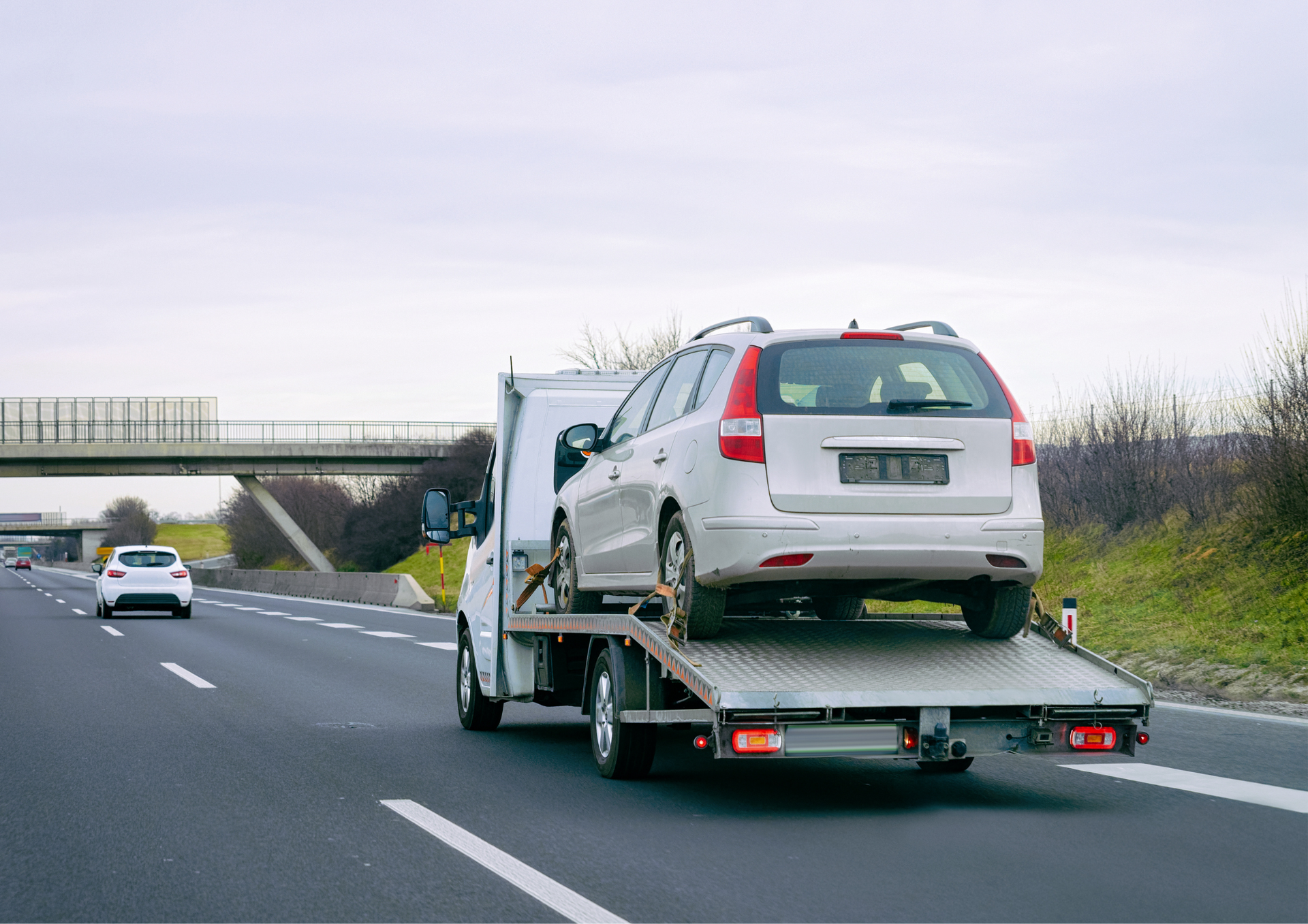
Professional car recovery can provide a practical solution when a vehicle cannot be driven safely. Rather than trying to repair the vehicle where it has stopped, a suitable vehicle can collect it and transport it to a garage, specialist repair facility or another appropriate destination selected by the customer.
Recovery should not be confused with roadside mechanical repair. The purpose is to move an undriveable or unsafe vehicle from one location to another. On-site repairs, fuel delivery and lockout assistance are not part of this service. When specialist attention is required, transporting the vehicle to the appropriate professional allows the underlying problem to be properly assessed.
Knowing when to stop driving, what information to provide and how professional transportation works can help motorists make sensible choices when they find themselves in a challenging roadside situation.
When a Roadside Problem Means You Should Stop Driving
Not every unusual sound or warning light automatically means a vehicle must be transported, but motorists should take significant changes in how their vehicle behaves seriously. Problems with steering, braking, wheels, suspension, engine temperature or other important systems can make continuing a journey unsafe.
If a vehicle begins behaving unpredictably, forcing it to continue may make the original problem worse. A damaged wheel, for example, could affect stability, while a serious steering problem may make controlling the vehicle difficult. Fluid leaks, unusual smoke, severe vibrations or sudden loss of power can also indicate that professional attention is required.
Drivers searching for car recovery near me are often dealing with a vehicle that has already become difficult or impossible to drive. Before arranging collection, it is useful to identify the exact location, vehicle make and model, registration number and preferred destination. The operator should also be told about any known problems that could affect loading, such as wheels that will not turn or damaged steering.
Where possible and safe, motorists should position themselves away from moving traffic and follow the Highway Code and any instructions from the police, highways personnel or other relevant authorities. On motorways and other high-speed roads, current official breakdown guidance should be followed. Drivers should not put themselves at risk by trying to inspect or repair a vehicle in a dangerous position.
It is also sensible to decide where the vehicle should be taken. Some motorists will want it transported to their usual garage, while others may need a specialist repair business. If the breakdown occurs away from home, the driver may need to identify an appropriate local destination before collection.
The key consideration is whether continuing to drive is sensible and safe. If there is significant doubt about the vehicle's roadworthiness, arranging professional transportation is preferable to risking a more serious problem further along the journey.
How Professional Vehicle Recovery Helps in Difficult Situations
Professional breakdown recovery provides transportation when a vehicle can no longer continue its journey safely or normally. The circumstances surrounding each breakdown can vary, so accurate information about the vehicle, its condition and its location helps the operator prepare appropriately.
Professional transportation can assist motorists in several ways:
- Collecting an undriveable vehicle: Mechanical, electrical or other faults can leave a vehicle unable to move under its own power. Suitable equipment allows it to be loaded and transported without relying on it to complete the journey.
- Handling vehicles with mobility problems: Damaged steering, wheels or suspension can affect how a vehicle is loaded. Explaining these problems beforehand helps the operator consider the appropriate method and equipment.
- Transporting the vehicle to a garage: When mechanical diagnosis or repair is required, the vehicle can be moved to an appropriate repair professional rather than attempting to resolve the fault at the roadside.
- Supporting drivers away from home: A breakdown in an unfamiliar location can be particularly inconvenient. Professional transportation gives motorists a practical way to move their vehicle even when they are far from their usual garage.
- Managing difficult collection locations: Busy roads, narrow streets, car parks and restricted-access locations can present different challenges. Accurate location information allows suitable arrangements to be considered before collection.
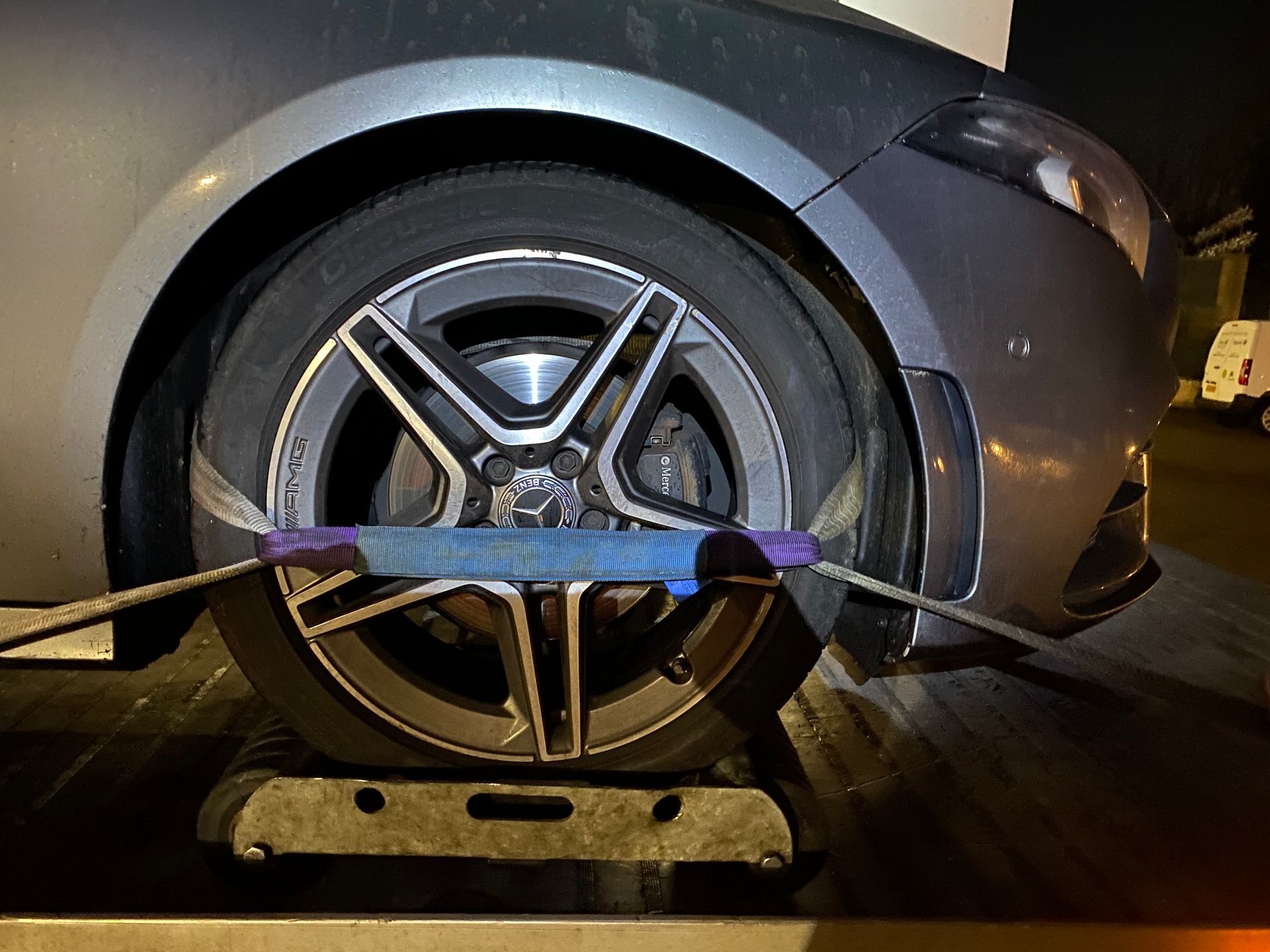
- Securing the vehicle for transportation: Loading is only part of the process. The vehicle must also be positioned and secured correctly before being transported to the agreed destination.
- Helping during poor conditions: Darkness, rain or other difficult conditions can make a breakdown more stressful. Motorists should prioritise personal safety while the operator handles the vehicle transportation process.
- Providing destination flexibility: Depending on the circumstances, a vehicle may be transported to a garage, specialist facility or another suitable location requested by the customer.
The purpose of professional transportation is not to provide an instant mechanical fix. If a vehicle requires repair, diagnosis or specialist work, moving it to the appropriate facility allows that work to take place in a suitable environment.
Common Roadside Situations That May Require Vehicle Transportation
Mechanical faults are one of the most common reasons a driver may be unable to continue a journey. A vehicle can lose power, develop an abnormal noise or display symptoms suggesting that continued driving could cause further problems. When the cause is unclear, trying to reach a destination regardless can turn a manageable fault into a more serious issue.
Electrical problems can be equally disruptive. Modern cars rely heavily on electronic systems, and certain faults can prevent a vehicle from starting or operating normally. The exact cause may not be obvious at the roadside. If the car cannot be operated safely, transporting it to a suitable repair professional allows proper diagnosis to take place.
Drivers may search for breakdown recovery near me when a fault occurs unexpectedly and they need to find a practical way to move the vehicle. Providing the exact collection point is particularly important when the driver is unfamiliar with the area. A postcode, road name, nearby landmark or other clear location information can help establish where the vehicle is situated.
Wheel and tyre problems can also create situations where normal driving is not appropriate. A hard impact with a pothole or kerb can potentially affect the wheel, tyre, steering or suspension. Even when the damage initially appears minor, significant changes in handling should not be ignored.
Overheating is another warning that deserves attention. A high temperature reading, steam or signs of coolant loss can indicate a problem that needs professional assessment. Repeatedly attempting to drive an overheating vehicle may worsen the underlying fault.
Roadside situations can also become difficult because of location rather than the mechanical problem itself. A vehicle may stop in a busy part of Sunderland, on a narrow road or somewhere with limited access. Motorists should give the operator as much information as possible about the surroundings so that appropriate collection arrangements can be considered.
Long-distance journeys introduce another challenge. Someone passing through Sunderland may break down far from their usual repair garage. In such circumstances, the motorist needs to decide whether the vehicle should go to a nearby repair facility or another suitable destination. Making this decision before collection can help simplify the process.
A second occurrence of professional car recovery is particularly relevant when a vehicle appears capable of moving but its safety is uncertain. The fact that an engine starts does not necessarily mean the vehicle is roadworthy. Serious steering, suspension, wheel or other mechanical problems can make transportation the more sensible option.
The same principle applies throughout the UK. Drivers should pay attention to how their vehicle behaves, avoid ignoring serious symptoms and seek appropriate professional assistance when continuing the journey could create unnecessary risk.
What to Do While Waiting for Your Vehicle to Be Collected
When professional car recovery has been arranged, motorists can help make the collection process smoother by preparing useful information and continuing to prioritise personal safety. The exact steps depend on where the vehicle has stopped, but several general points are worth remembering:
- Stay aware of traffic: Do not stand in a position where passing vehicles could put you at risk. Follow official road safety guidance appropriate to the type of road you are on.
- Make the vehicle visible where appropriate: Hazard warning lights can help alert other road users in relevant situations. Drivers should follow the Highway Code regarding their proper use.
- Provide an accurate location: Give the road name, postcode, nearby landmark or another useful reference. If you are on a large site or in a car park, explain exactly where the vehicle can be found.
- Share the vehicle details: Have the make, model and registration available. These details help the operator identify the vehicle and understand what needs to be transported.
- Describe known problems: Explain whether the vehicle can roll, whether the steering works normally and whether there is visible wheel or suspension damage. Do not attempt a risky inspection simply to obtain this information.
- Mention access restrictions: Height barriers, locked gates, narrow entrances or other restrictions should be explained before the operator arrives.
- Confirm the destination: Provide the full address of the garage, specialist facility or other suitable location where you want the vehicle transported.
- Keep passengers safe: If other people are travelling with you, make sure they also remain in an appropriate safe location while waiting, particularly near busy traffic.
- Avoid unnecessary roadside work: Do not attempt repairs in an unsafe location. Where specialist attention is needed, the vehicle can be transported to the appropriate professional.
Remaining calm and providing accurate information can help make an unexpected roadside problem easier to manage. The priority is to keep people safe while suitable arrangements are made to move the vehicle.
Car Recovery Sunderland offers motorists a straightforward way to arrange professional vehicle transportation when an unexpected roadside problem leaves a car unable to continue safely. Clear communication and careful handling help make the collection process easier during what can otherwise be a stressful interruption.
Whether your vehicle has stopped on a residential road, near a workplace, in a busy part of Sunderland or elsewhere in the surrounding area, accurate details can help suitable transportation arrangements be made. The vehicle can be collected and taken to a repair garage, specialist facility or another appropriate destination selected by you.
The focus is on professional vehicle transportation rather than roadside mechanical repairs, lockout assistance or fuel delivery. If your vehicle cannot be driven safely and needs to be moved, get in touch with your vehicle details, collection location and preferred destination to arrange suitable transportation.
Check out our latest X update on how professional
car recovery can help motorists manage difficult roadside situations safely and efficiently!
You might also like